


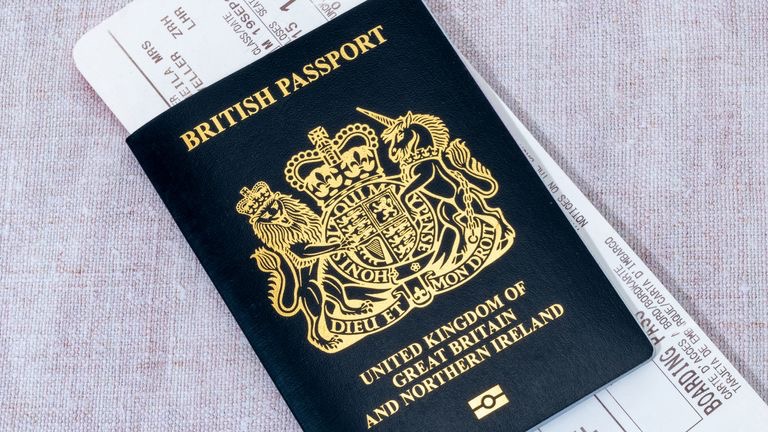
From 25 February 2026, new documentation checks come into force for travellers entering the UK. Here’s a straightforward explanation of what is changing – and what isn’t.
What’s changing?
Under updated guidance linked to the UK’s digital border system, airlines and other carriers must now verify that passengers have the correct documentation before boarding travel to the UK.
This means checks will take place at the departure point – not just on arrival.
The changes sit alongside the wider rollout of the UK’s Electronic Travel Authorisation (ETA) system, introduced by the Home Office as part of modernising border processes.
Important for Dual British Citizens
If you hold British citizenship and another nationality, the key update is this:
From 25 February, you will generally be expected to travel to the UK using a valid British passport.
Previously, some dual nationals travelled on their non-UK passport and were admitted without issue. Under the new system, carriers must confirm your right of entry in advance.
If you do not have a valid British passport, alternative proof may include:
- A Certificate of Entitlement to the Right of Abode, or
- An emergency travel document (in limited circumstances).
Without acceptable documentation, carriers may refuse boarding.
What hasn’t changed?
- British citizens still have the right to enter the UK.
- British and Irish citizens do not require a visa or ETA to enter the UK.
- The change relates to how that right is evidenced and checked, not to the right itself.
Why this matters for business travellers
For companies with globally mobile teams, especially those with dual nationals living overseas, it’s worth:
- Checking passport validity well in advance
- Confirming which passport is being used for travel
- Allowing extra time if documentation needs updating
As always, preparation prevents disruption.
If you’re unsure how these changes might affect your organisation’s travellers, we’re happy to help clarify.

