


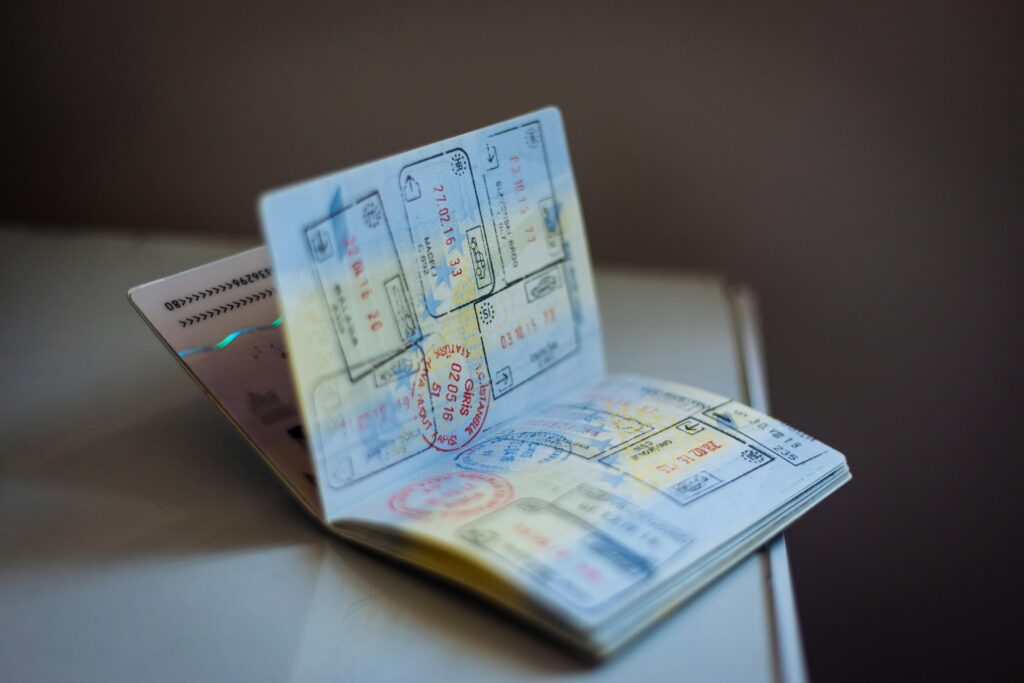
The EU has switched on its new Entry/Exit System (EES)—a digital border check for non-EU visitors (that’s UK passport-holders) travelling to most of Europe. It replaces manual passport stamping with an electronic record of your entry/exit plus biometrics. A phased rollout began on 12 October 2025 and runs for six months; by 10 April 2026 it’s due to be in full swing across all participating borders. Migration and Home Affairs
Where does EES apply?
EES is being introduced in 29 European countries: 25 of the EU’s 27 member states (not the Republic of Ireland or Cyprus), plus the four Schengen associates Iceland, Liechtenstein, Norway and Switzerland. House of Commons Library+1
Who needs to use it (and who doesn’t)?
You’ll use EES if you’re a non-EU national visiting for a short stay (e.g., UK citizens travelling visa-free for business or leisure). EU citizens and non-EU people who are legally resident in an EU/Schengen country are exempt. House of Commons Library
What happens at the border (the process)
Your first trip to an EES country after go-live takes the longest because you’ll enrol:
- Scan your passport at a kiosk or with a border officer
- Biometrics: a facial image for everyone and fingerprints for most adults (children under 12 don’t give fingerprints)
- The system records your entry/exit and calculates your 90/180-day allowance automatically
On subsequent trips, you won’t re-enrol; you’ll verify against your existing record—usually quicker. There’s no fee and no pre-travel application for EES. GOV.UK+2Migration and Home Affairs+2
How long does your EES record last? The UK Government says your registration remains valid for a rolling three-year period (or until your passport expires). In general, EES entry/exit records are kept around three years under EU data rules (longer if no exit is recorded). GOV.UK+2travel-europe.europa.eu+2
What to expect at Dover (ferries)
Because of juxtaposed controls, French border checks happen in Dover before you sail. The Port of Dover is introducing EES in phases:
- From 12 Oct 2025: Coach and foot passengers go to the Western Docks facility for kiosks and border processing.
- From Nov 2025: Expansion to all other traffic (e.g., cars).
At Dover you’ll:
- Scan passports at kiosks in the Western Docks processing area,
- Give biometrics (photo + fingerprints; under-12s photo only),
- Have an automated entry/exit record created.
You’ll still visit the EES facility on future trips, but verification is faster; if you don’t travel again within three years, you’ll re-enrol. The official advice is to allow extra time, especially during the early weeks. Port of Dover+2Port of Dover+2
If you’re using Dover, Eurotunnel (Folkestone) or Eurostar (St Pancras), EES checks are done in the UK before departure. There’s no action needed before travel and it’s free. GOV.UK
Practical tips for business travellers
- Build a buffer: First-time enrolment takes longer than a stamp—plan extra time for ferries, tunnels, and airports. GOV.UK
- Mind the 90/180 rule: EES will precisely track days in Schengen—handy for frequent flyers, but less forgiving if you cut it fine. Migration and Home Affairs
- Kids’ biometrics: Under-12s don’t give fingerprints, but they still enrol (photo + data). travel-europe.europa.eu
- Residents & dual nationals: If you’re legally resident in an EU/Schengen country (or travelling on an EU passport), EES doesn’t apply to you. House of Commons Library
- Data & privacy: Border data sits in a secure EU system; entries/exits are typically retained for ~3 years under EU rules. travel-europe.europa.eu+1
Key dates at a glance
- 12 Oct 2025: EES go-live begins across participating countries (phased). Migration and Home Affairs
- By 10 Apr 2026: EES replaces passport stamping at all participating external borders. Migration and Home Affairs
Quick FAQs
Is this ETIAS?
No—ETIAS is a separate pre-travel authorisation (like the US ESTA) planned to start later; EES is the on-arrival border check. (Timeline per EU communications.) Migration and Home Affairs
Will it cause queues?
During the phased rollout, some pinch points are possible. Ports/terminals have added kiosks and staffing to smooth things out, but build in extra time. GOV.UK
Do I need to do anything before I travel?
No. Enrolment is at the border on your first trip; there’s no fee. GOV.UK

